



Recigar, Desmoxan, and Tabex: A Practical Guide to Smoking Cessation Aids
Quitting smoking is one of the most impactful decisions for long-term health, but it is also one of the most challenging. Many smokers turn to pharmacological support to increase their chances of success. Among the most commonly discussed options in Eastern and Central Europe are Tabex, Desmoxan, and Recigar.
This article provides a clear, SEO-friendly overview of these products, how they are used, and what distinguishes them from each other.
What Are Recigar, Desmoxan, and Tabex?
All three products are smoking cessation aids designed to help reduce nicotine dependence. They belong to a group of medications that work by interacting with nicotine receptors in the brain, reducing withdrawal symptoms and making cigarettes less satisfying.
While they share a similar purpose, they differ in branding, availability, and formulation depending on the manufacturer and country.
Tabex (Cytisine-Based Therapy)
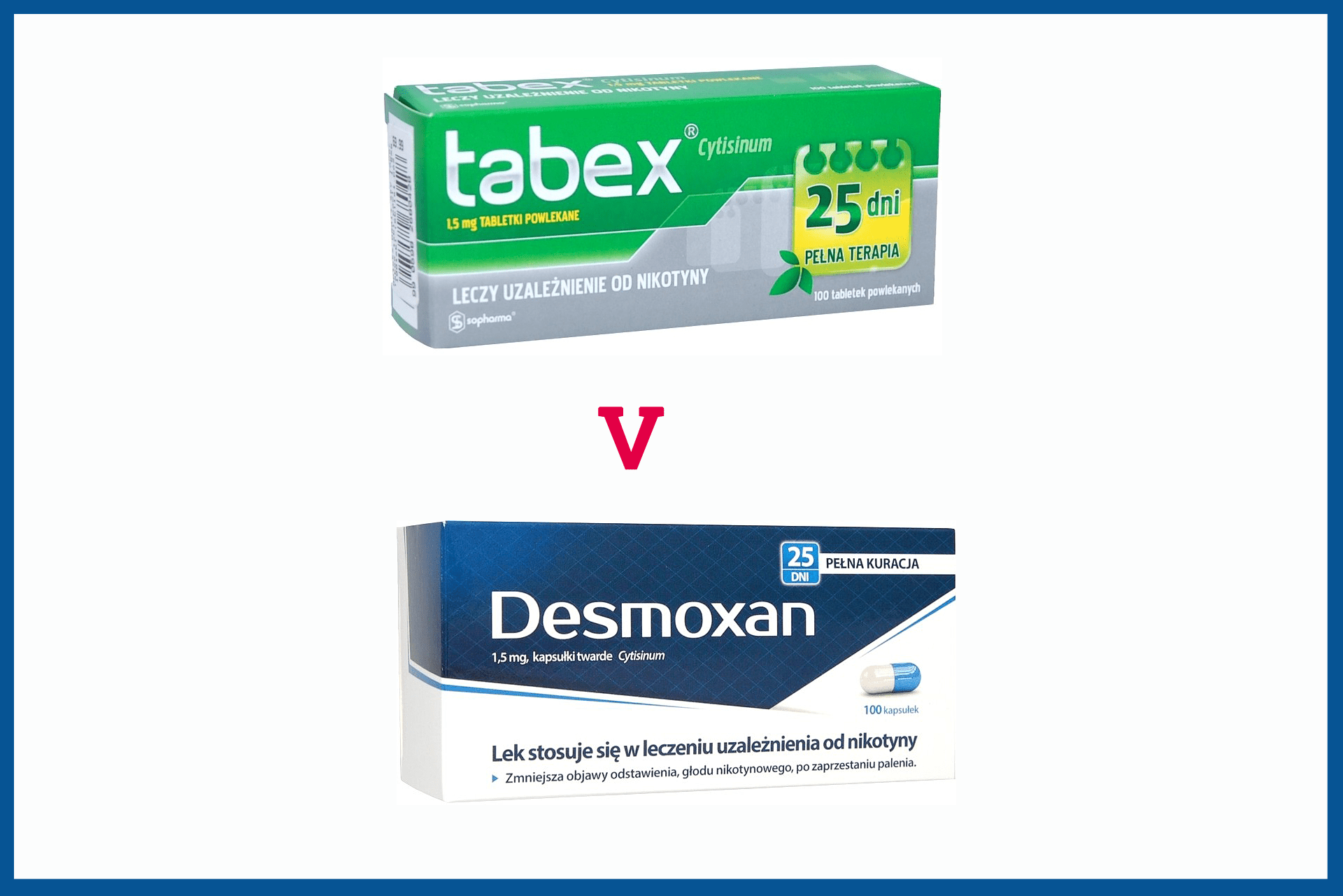
Tabex is one of the oldest and most widely used smoking cessation medications in Europe. Its active ingredient is cytisine, a plant-derived compound that works similarly to nicotine.
How it works:
- Partially stimulates nicotine receptors
- Reduces withdrawal symptoms
- Gradually decreases the pleasure derived from smoking
Key advantages:
- Long history of clinical use
- Generally affordable
- Short treatment cycles (typically around 25 days)
Desmoxan: A Modern Cytisine Option
Desmoxan also contains cytisine as its active ingredient. It is considered a more modern, branded alternative to Tabex.
Key characteristics:
- Same active compound (cytisine)
- Structured dosing schedule for gradual nicotine withdrawal
- Often marketed with updated packaging and patient guidance materials
Why people choose it:
- Clear treatment instructions
- Widely available in pharmacies in several European countries
- Comparable effectiveness to other cytisine-based products
Recigar: Another Cytisine-Based Alternative
Recigar is another cytisine-containing smoking cessation product. It is less internationally known than Tabex but is used in specific regional markets.
Features:
- Same mechanism of action (nicotinic receptor partial agonist)
- Designed to reduce cravings and withdrawal symptoms
- Structured dosing plan similar to other cytisine therapies
Typical use case:
- Smokers looking for a cost-effective alternative
- Patients who respond well to cytisine but prefer different brand availability
How These Medications Help You Quit Smoking
All three products follow a similar therapeutic principle:
- Start treatment while still smoking
- Gradually reduce cigarette consumption
- Reduce nicotine dependence
- Cytisine binds to nicotine receptors and reduces cravings
- Quit completely within days
- Smoking becomes less rewarding
- Maintain abstinence
- Continue tablets for a short maintenance period
Important Considerations
While cytisine-based therapies are widely used, they are not suitable for everyone. Before starting any treatment:
- Consult a healthcare professional
- Inform your doctor about existing medical conditions
- Follow the dosing schedule carefully
- Avoid combining with other nicotine replacement therapies unless advised
Tabex vs Desmoxan vs Recigar: Key Differences
- Active ingredient: All contain cytisine
- Effectiveness: Comparable when used correctly
- Branding: Different manufacturers and regional availability
- Price: Varies depending on country and pharmacy
- User experience: Differences mainly in packaging and instructions
Final Thoughts
Smoking cessation is a process that often requires both motivation and medical support. Products like Tabex, Desmoxan, and Recigar provide structured, evidence-based assistance for people who want to quit nicotine dependence.
However, no medication replaces personal commitment and, when possible, behavioral support or counseling.